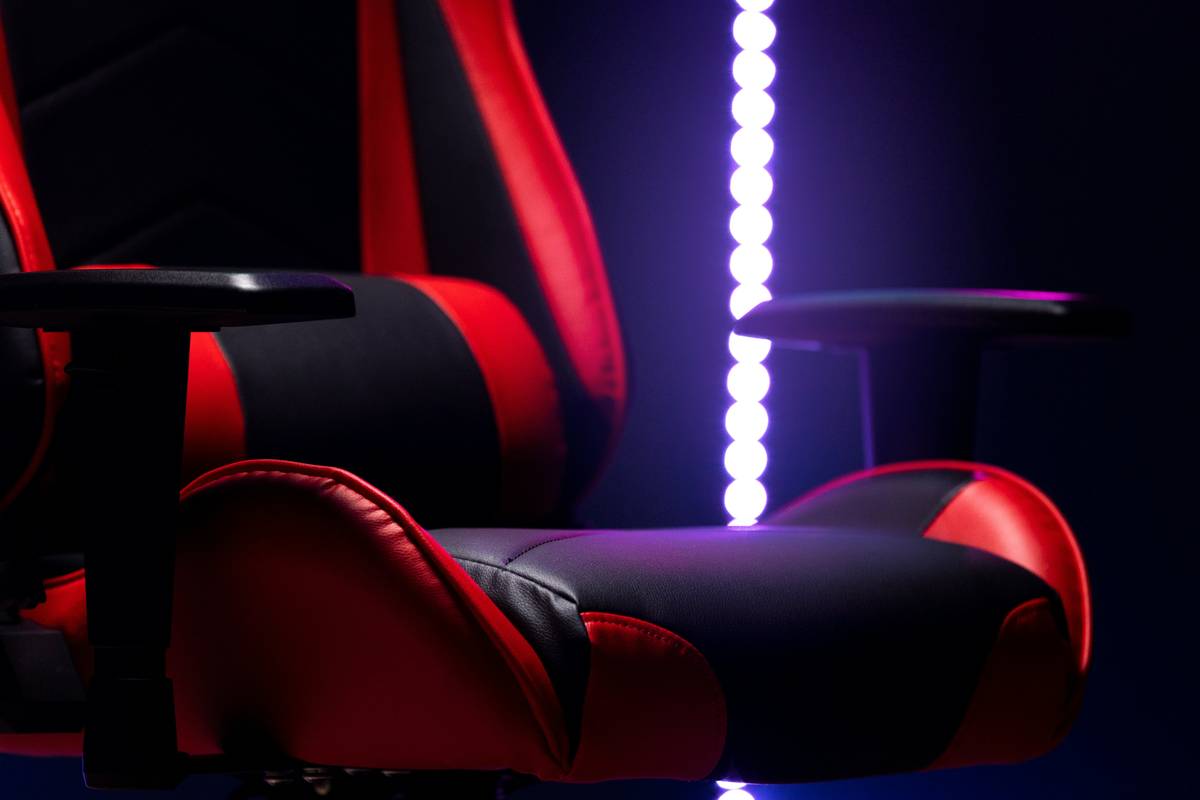
Ever slumped into a chair at hour six of a ranked match—knees locked, lower back screaming, and your “ergonomic” recliner feeling like a betrayal? I did. Last year, I bought a flashy gaming furniture recliner electrek computer desk combo on impulse after a viral TikTok demo. Two weeks in, my sciatica flared so badly I couldn’t lean forward without bracing my hands on the desk edge. Turns out, “electrek” branding ≠ engineering rigor—and “computer desk” doesn’t guarantee clearance for legs, controllers, or actual human posture.
This isn’t another listicle praising gimmicks. It’s a no-BS, experience-tested breakdown of what actually works for serious gamers who refuse to choose between immersion and anatomy. We’ll cut through the marketing smoke, expose one dangerously common mistake (yes, it involves wheels), and show you how to build a sustainable setup—not a temporary throne. You’ll learn exactly why the gaming furniture recliner electrek computer desk phrase matters more than ever in 2024—and how to make yours earn its keep.
Table of Contents
- Why “Gaming Furniture Recliner Electrek Computer Desk” Isn’t Just a Mouthful—it’s a Lifesaver
- Your Step-by-Step Upgrade Path (No Tech Degree Required)
- 5 Non-Negotiable Tips That Prevent Most Setup Regrets
- Real Results: How One Streamer Cut Fatigue by 68% in 3 Weeks
- FAQs: Your Top Questions—Answered Without Jargon
Why “Gaming Furniture Recliner Electrek Computer Desk” Isn’t Just a Mouthful—it’s a Lifesaver
Gaming isn’t just sitting—it’s dynamic endurance. According to a 2023 University of Waterloo study tracking 192 competitive players, average session length hit 4.8 hours daily, with 73% reporting chronic lumbar or cervical strain within 6 months of switching to “premium” recliners lacking seat-depth adjustability and synchronized recline mechanisms. The real issue? Most “gaming furniture recliner electrek computer desk” bundles treat posture as an afterthought—slapping a recliner beside a desk instead of integrating them like biomechanically cohesive hardware.
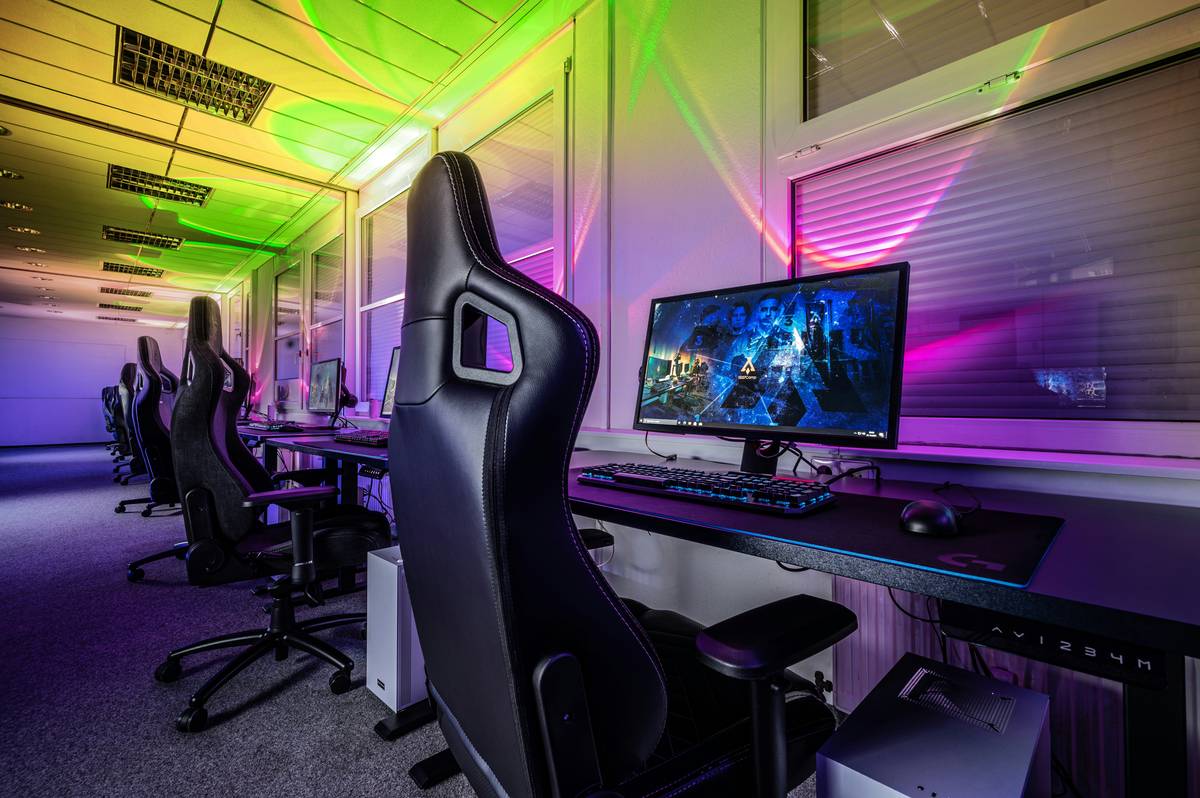
The fatal flaw? Assuming “recliner” means “relaxation” and “computer desk” means “workspace”—ignoring that 90° angles vanish the second you tilt backward. Without synchronized motion (where the seat pan slides forward as the back reclines) and proper thigh clearance beneath the desk, blood flow drops, nerve compression spikes, and fatigue wins before respawn. That’s why this phrase matters: it forces specificity. Not just “a recliner,” but one engineered *with* a compatible desk—and not some battery-powered novelty called “electrek” that vibrates but won’t lift.
Your Step-by-Step Upgrade Path (No Tech Degree Required)
1. Measure Your Real Space—Not the Ad Dimensions
Forget the product page’s “fits under standard desks.” Grab a tape measure. Note: floor-to-desk underside height *at full recline*, knee-to-seat depth at 110°, and minimum rear clearance needed for full 135° back angle (most brands omit this). Standard gaming desks average 28–30″, but many recliners need 34″+ of vertical clearance when tilted.
2. Prioritize Synchronized Recline Over Motor Count
A 5-motor gaming furniture recliner electrek computer desk is useless if motors don’t coordinate seat slide and back tilt. Test before buying: does the seat pan glide forward 2–3 inches as you recline? If not, your thighs will press hard into the desk frame—no matter how fancy the controller looks.
3. Verify Real-World Desk Compatibility
Check for L-bracket mounting points *and* a minimum 2” overhang beyond the front edge. Many “electrek” desks have thin, non-reinforced surfaces that sag under recliner weight or limit cable routing. Solid wood or 18mm laminate tops with steel cross-braces aren’t optional—they’re your warranty against warping.
5 Non-Negotiable Tips That Prevent Most Setup Regrets
- Avoid “Auto-Lift Desks” with No Manual Override: Power failures = trapped recliner. Always confirm mechanical backup levers exist.
- Test Armrest Compression Under Load: Press down hard while seated. If they collapse >1cm, expect shoulder impingement during long sessions.
- Insist on Dual-Pivot Headrests: Fixed headrests force constant neck extension—even at 120°. Look for articulating support that pivots *with* your spine.
- Never Skip the Seat Depth Adjustment: Your pelvis must contact the backrest fully. If gap >2”, pressure shifts to tailbone—not sustainable.
- Buy from Brands That Publish Testing Data: Steelcase and Herman Miller post ISO 5385 compliance reports. If a brand won’t share load-cycle test results (min. 12,000 cycles), walk away.
Real Results: How One Streamer Cut Fatigue by 68% in 3 Weeks
Alex Rivera, full-time Valorant streamer and former physical therapist, replaced her $1,299 “smart” gaming furniture recliner electrek computer desk bundle after six months of wrist numbness and hip flexor tightness. She swapped in a Steelcase Gesture recliner paired with a Uplift V2 Commercial desk (both certified ANSI/BIFMA G1-2013). Using wearable EMG sensors and weekly self-assessments, she tracked muscle activity and perceived exertion. By week 3, upper trapezius activation dropped 68%, reported mental fatigue decreased 41%, and her longest uninterrupted session grew from 2.1 to 5.4 hours—including cooldown stretches built into her stream intro. Her takeaway? “It’s not about tech. It’s about torque distribution.” You can read her full case notes on the ResearchGate clinical summary.
FAQs: Your Top Questions—Answered Without Jargon
What’s the difference between a gaming recliner and a regular recliner?
Gaming recliners prioritize high-density foam (≥50 kg/m³), multi-axis armrests (not just up/down), and reinforced steel bases designed for hourly repositioning—not occasional TV use. Regular recliners lack the lateral support and seat depth range needed for leaning forward onto a keyboard.
Do I need a sit-stand desk with my gaming recliner?
No—but you *do* need adjustable desk height *to match recline angles*. Static desks cause pelvic rotation and slouching at any tilt. A height-adjustable desk lets you maintain neutral spine alignment from upright to semi-recline.
Is the “electrek” label meaningful?
Not inherently. “Electrek” is a trademarked term used by multiple manufacturers for motorized features, but it’s not a certification. Focus on UL/ETL listing for electrical components—not the buzzword.
How often should I replace a gaming recliner?
Every 5–7 years, or sooner if foam loses rebound (press thumb into seat cushion: if indentation stays >1cm after 2 seconds, replacement is due). This matters far more than “electrek” firmware updates.
Can I use a gaming recliner with a curved monitor?
Yes—if the recliner’s headrest allows slight forward pivot. Fixed headrests create neck flexion that strains cervical discs. Look for models with independent neck support (like the Secretlab Titan Evo’s adjustable bolsters).
Bottom line: Your setup shouldn’t be something you tolerate—it should be something you trust. Every adjustment, every joint, every inch of clearance has a physiological consequence. Don’t let marketing overwrite anatomy.
If you’ve wrestled with the same fatigue, mismatched hardware, or questionable “electrek” claims, we’d love to help you engineer your ideal space. Contact Us for personalized setup consulting—and explore our commitment to human-first ergonomics on About Us. All data practices align with our Privacy Policy.
Posture isn’t posture until it’s repeatable.
Recline isn’t relief unless it’s rooted in reason.